

,
The Effect of Speed Limit Changes on I-81
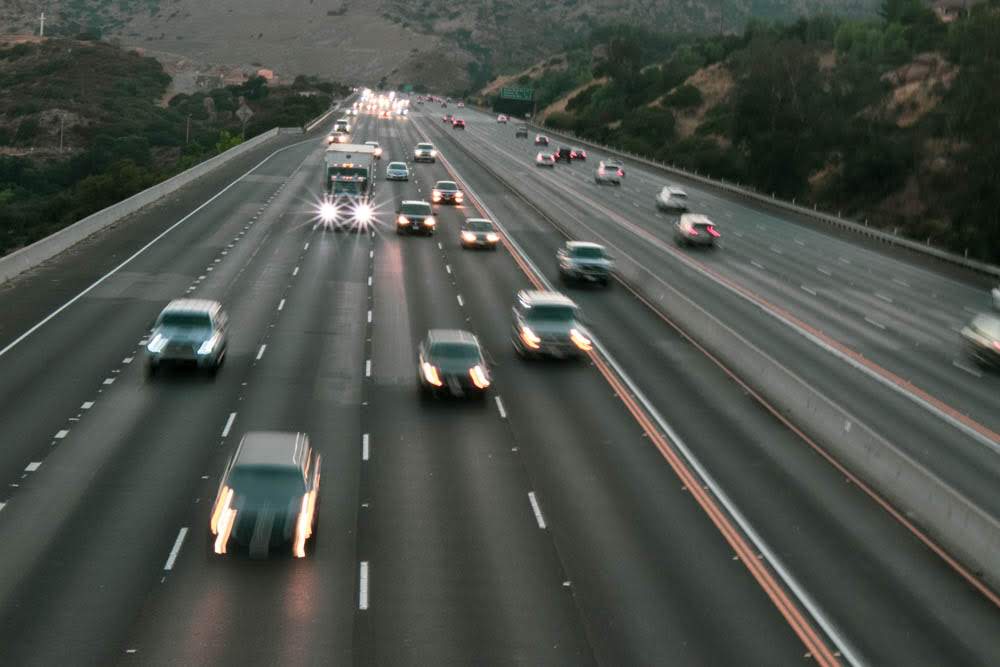

Interstate 81 (I-81) runs from Tennessee to New York, cutting through mountain grades, fog-prone valleys, and busy freight corridors. It’s a lifeline for commercial trucking and local commuters, but it’s also known for serious crashes and long shutdowns. When collisions begin to increase, people often wonder whether lower speed limits, tougher enforcement, or a combination of both is needed.
In recent years, several states have adjusted speed limits or stepped-up patrols and camera enforcement along sections of I-81. Looking at how these changes affect crash patterns can help guide better decisions for the corridor’s future.
How Speed Limits Have Been Changing on I-81
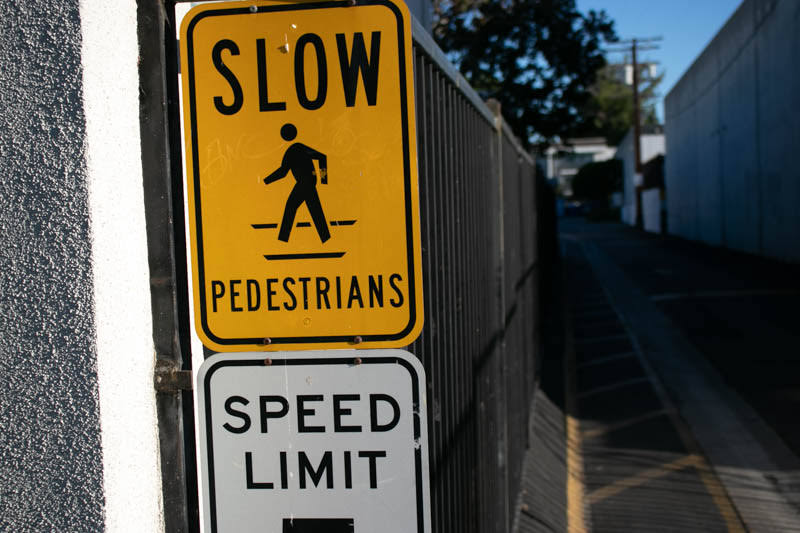
Speed limits along I-81 aren’t uniform: they shift by state and even by segment. For example, in 2024, Tennessee raised the speed limit in Sullivan County to 70 mph for all vehicles between the Washington County line and the Virginia state line. The Tennessee Department of Transportation (TDOT) informed that the change was based on spot-speed studies, crash analysis, and the need for more consistent speed zones.
Other states have done the opposite, temporarily reducing limits during winter storms or designating “safety corridors” with lower speeds and higher fines. In Virginia, the I-81 Corridor Improvement Plan specifically calls for a task force to develop enhanced speed enforcement strategies in high-risk segments, underscoring how closely speed management and safety are linked in policy discussions.
These examples show that the impact of speed limits on the Interstate isn’t theoretical—states are actively adjusting posted speeds in response to real data.
Enforcement Tools: Patrols, Safety Corridors, and Cameras
Speed limits alone don’t change behavior; enforcement does. State police patrols and speed cameras all play a role in I-81 speed enforcement.
Virginia’s Highway Safety Corridor program, for instance, designates high-crash segments where increased penalties and visible enforcement target speeding and aggressive driving. Eligibility is based on crash severity and crash rates that exceed set thresholds, not just public perception.
Elsewhere, transportation agencies look at automated enforcement. The Federal Highway Administration and NHTSA both treat speed safety cameras as a proven countermeasure. A review of speed-camera programs summarized by FHWA found that the best-controlled studies show injury crashes dropping by roughly 20–25% at conspicuous fixed camera sites after cameras are introduced.
Used together, these tools try to align actual driving speeds with safer limits.
What the Data Suggests About Speed and Crash Outcomes
Every crash is unique, but higher speeds increase both the likelihood and severity of crashes. On a corridor like I-81, where grades are steep and truck volumes are high, that reality matters.
When posted limits are too low for typical traffic, a wide spread develops between the fastest and slowest vehicles. This can create more lane changes, tailgating, and sudden braking—conditions that raise crash risk even if the nominal speed is “safe.”
On the other hand, when limits are raised without adequate enforcement or engineering changes, some drivers treat the new number as a baseline and then exceed it, which can negate safety gains. The challenge for agencies is finding a “credible” speed limit that matches road design and driver behavior.
Arguments For Tougher Enforcement and Lower Limits
Supporters of a stricter Interstate speed enforcement argue that the corridor’s crash history speaks for itself. They point to: high truck volumes, narrow shoulders, and steep grades that leave little margin for error when someone is speeding or tailgating.
They also note that many I-81 crashes involve secondary impacts, where even a small reduction in speed could mean the difference between a property-damage crash and a fatal one.
From this perspective, lower limits in hazardous segments, combined with clearly marked enforcement, can reduce injury crashes without significantly harming travel times, especially for local drivers.
Concerns and Criticisms About Speed Enforcement on I-81
On the other side, critics of changing speed laws on I-81 worry about over-enforcement or poorly designed limits. Common concerns include:
- Perceived “revenue traps.” Some drivers feel cameras and doubled fines in safety corridors are more about money than safety.
- Travel time and freight efficiency. Trucking groups sometimes argue that lower limits can delay deliveries, increase costs, and cause more trucks to bunch together.
- Fairness and consistency. If enforcement is heavy in some I-81 segments but light in others with similar risks, drivers may see the system as arbitrary.
There’s also a broader civil-liberties debate around automated cameras. Those issues don’t negate the crash-reduction benefits, but they do need to be addressed openly if new camera systems are proposed.
After an I-81 Crash, Call a Skilled Lawyer
Future speed policy may need to balance safety and mobility by rethinking how limits are set and enforced. A data-driven approach can ensure posted limits match recent crash patterns, roadway design, and the speeds drivers naturally travel. Enforcement can then focus on high-risk segments, with patrols or cameras placed where severe crashes occur most often.
Public communication is also important. Explaining why a limit changed or why enforcement is increasing helps build trust and encourages compliance. Engineering improvements such as rumble strips, better lighting, clearer signage, and added auxiliary lanes can further support safer speeds by making the roadway easier to navigate. Regular evaluations can confirm whether these strategies are reducing serious crashes and improving overall mobility.
If you or someone you know has been injured in a crash on I-81, we can put you in touch with an I-81 car accident attorney who can explain your options.
Accidents currently listed on i81accidents.com
28 accidents in 2022
107 accidents in 2022
2 accidents in 2022