

,
Motorcycle Accidents on I-81: What riders and Drivers Need to Know
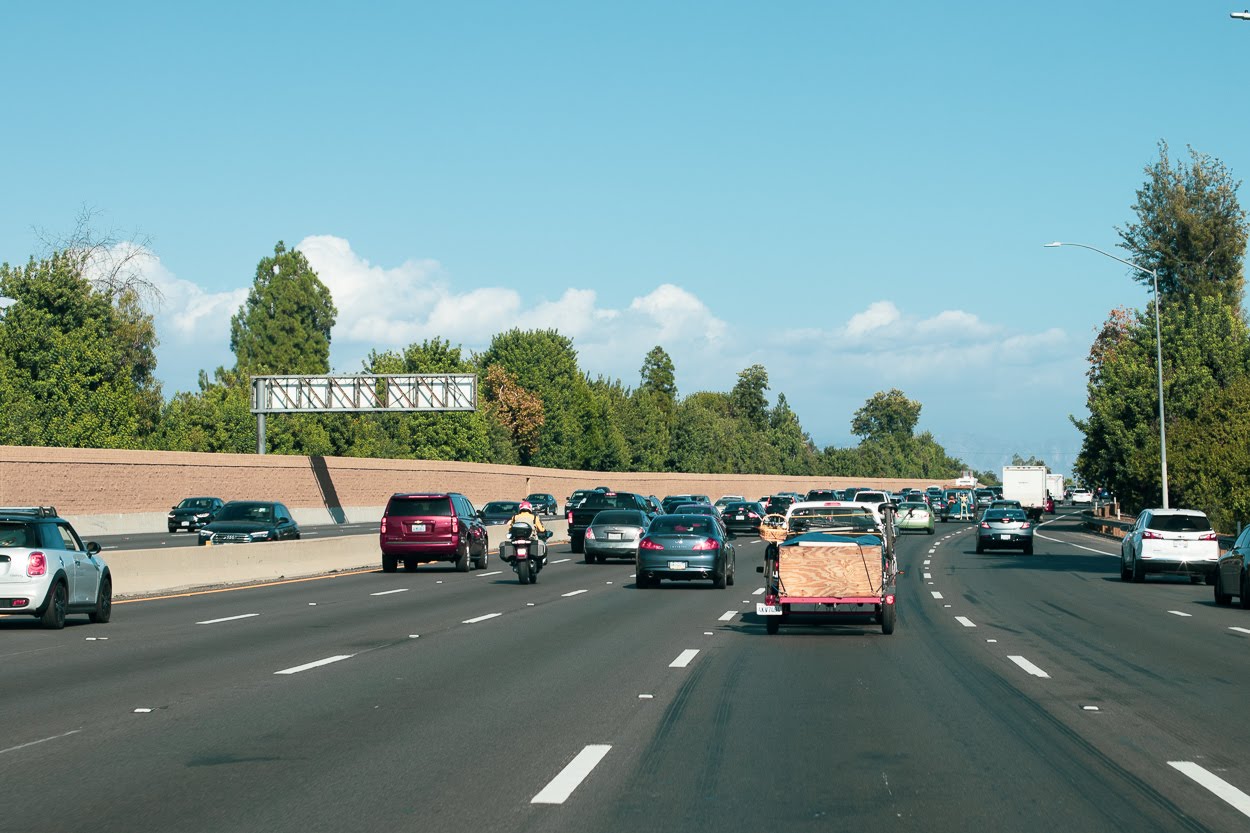

Interstate 81 (I-81) runs along the spine of the Appalachians with long mountain valleys, heavy trucking lanes, and fast-moving commuter zones. For riders, it can be a beautiful route, but it also carries real risk. Motorcycle crashes on I-81 often happen at highway speeds where the margin for error is thin. A small slip on gravel, a sudden lane drift by a sedan, or a gust pushing a bike off line can turn into a serious wreck in seconds.
The tricky part is that I-81 combines several danger types at once: steep grades that change speed differentials, a constant flow of tractor-trailers, and frequent merging from local roads into high-speed traffic. That mix creates stress for everyone on the road, not just riders.
This guide breaks down the top causes behind I-81 biker accidents, what riders and drivers can do to prevent them, and liability is usually determined afterward.
Why I-81 Motorcycle Crashes Happen More than People Expect
Most riders don’t think of interstates as their biggest threat. But on I-81, the risks come from speed and unpredictability rather than stop signs. The highway is a freight corridor, meaning trucks are everywhere. Their size blocks sightlines, their tires kick up debris, and their braking needs are totally different from passenger vehicles.
Terrain matters too. I-81 isn’t flat. Even mild grades create speed mismatches, especially when trucks slow uphill and then speed downhill. Riders can get caught in “accordion traffic,” where speeds surge and collapse quickly. Add weather and conditions change fast.
Another common piece is visibility. Motorcycles are smaller, harder to judge in mirrors, and easy to miss when a driver is checking multiple lanes at once. The result is that many crashes on I-81 start with a driver who simply didn’t register the rider until it was too late.
The most common causes of I-81 biker accidents
Many motorcycle accidents share familiar roots, but I-81 adds its own flavor of danger. Here are the causes that show up most often in interstate-based wrecks:
- Speed and closing distance.
- Drivers failing to see riders.
- Truck-related turbulence and debris.
- Sudden slowdowns on grades.
- Impairment — riders or drivers.
- Road surface surprises.
National crash research shows why these factors matter. The National Highway Traffic Safety Administration (NHTSA) reports that motorcycle riders are overrepresented in speeding and alcohol-related fatal crashes; for example, in 2021, about one-third of riders in fatal crashes were speeding, and over a quarter had BACs at or above. These patterns play out strongly on I-81 because of sustained high speeds and long nighttime travel windows.
Prevention Tips for Riders on I-81
Riding I-81 safely isn’t about fear — it’s about strategy. Interstate riding gives you time and space, but only if you use it deliberately. Start with lane positioning. On a three-lane segment, the middle lane often offers the best escape options, but it also increases blind-spot overlap.
Speed control matters. You don’t need to be slow; you need to be predictable. Leave a buffer behind traffic waves and anticipate downhill acceleration zones where cars pick up speed quickly.
Most importantly, ride “eyes-up.” On I-81, the hazard is usually not the bike in front of you — it’s the vehicle two lanes over that might cut across without seeing you.
What Drivers Need to Remember Around Motorcycles
A big share of motorcycle crashes involve passenger vehicles making ordinary mistakes in extraordinary conditions. Drivers on I-81 can reduce risk by slowing down their decisions, not their speed. That means checking mirrors twice before lane changes, using turn signals early around exit clusters, and avoiding abrupt merges into the lane where a rider may be closing faster than expected.
Give bikes full lane respect. A motorcycle is not a “small car” that needs less space. If you tailgate a rider, you’re removing their only braking cushion.
Interstate driving also means accepting speed differences. If a rider is passing trucks or positioning away from debris, they may look like they’re “moving around a lot,” but that movement is often defensive. Leaving them room keeps everyone safer.
Legal Implications After a Motorcycle Crash on I-81
After a serious collision, fault matters for medical bills, wages, and long-term recovery. Liability in motorcycle cases is usually decided the same way as any crash: who acted negligently and how that negligence led to the crash. But motorcycles add a few wrinkles.
Investigators look hard at visibility and lane behavior. Crash reconstruction uses skid marks, debris fields, vehicle angles, and often dashcam footage.
Insurance companies sometimes try to lean on stereotypes. That’s why evidence is crucial. If the crash involved a lane change, a distracted driver, unsafe merging, or a road hazard, those facts need to be documented clearly and early.
What to Do After an I-81 Motorcycle Crash
The minutes after a crash can feel unreal, especially for riders who are shaken or injured. The priorities are safety, care, and proof. Get out of traffic if you can do so safely, and call 911 right away.
If you’re able, document the scene as soon as possible. Take photos of everything you can. Note the mile marker or nearest exit. Collect witness contact info, especially from drivers who saw a lane change or sudden stop.
Medical care is non-negotiable. Adrenaline can make you feel fine for hours. A same-day evaluation creates the record that protects both your health and your claim. Don’t give recorded statements to insurers while you’re still processing the event; stick to factual basics until you’ve had time to recover.
After a Motorcycle Crash on I-81, Call a Lawyer
I-81 can be a great riding route, but it demands a different kind of attention than a scenic two-lane. Highway speed, heavy trucks, and shifting terrain raise the stakes for every decision. Riders who stay visible, ride predictably, and plan escape space reduce their risk dramatically. Drivers who treat motorcycles as full-size road partners help prevent tragedies that nobody wants to live through.
If you or someone you know has been injured in one of these crashes, we can put you in touch with an I-81 motorcycle accident lawyer who can explain your rights and help you navigate the next steps.
Accidents currently listed on i81accidents.com
28 accidents in 2022
107 accidents in 2022
2 accidents in 2022