

,
The Most Dangerous Stretches of I-81 and Why Accidents Happen There
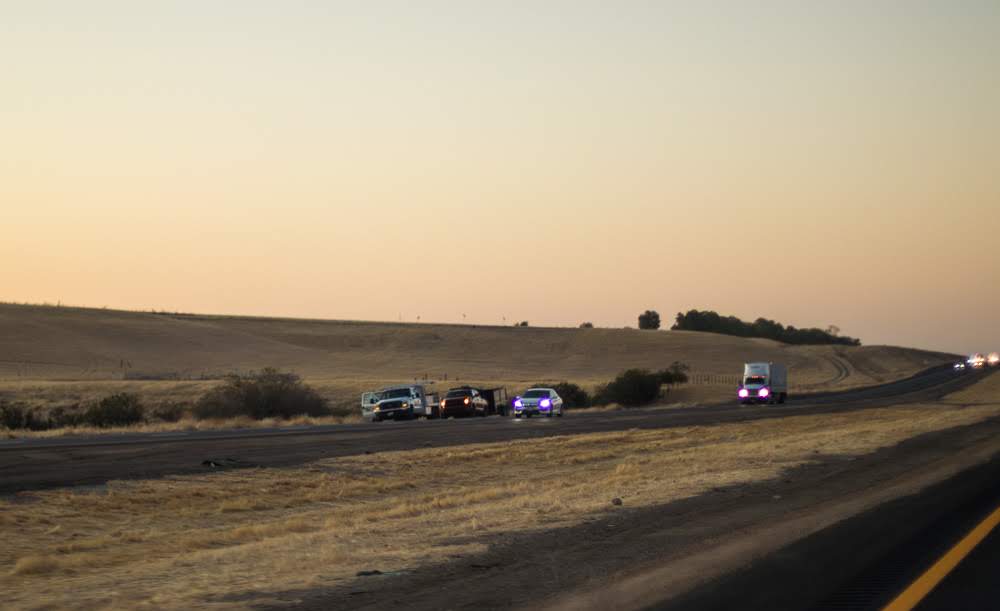

Interstate 81 (I-81) runs through a wide range of terrain and traffic environments, from busy urban corridors to long rural stretches. While crashes can happen anywhere, some areas stand out as I-81 dangerous sections. These accident hot spots share common traits—high traffic volume, challenging road design, frequent weather changes, or a heavy mix of commercial trucks.
Understanding what makes these high-risk zones more dangerous can help drivers adjust their behavior and reduce their chances of being involved in a serious crash.
Below, we review the most hazardous stretches of I-81, explain why accidents are more likely to occur there, and offer practical guidance for staying safer when driving through these areas.
Why Certain Sections of I-81 Are More Dangerous Than Others
Crash risk on I-81 is shaped by more than just driver behavior. Road geometry, traffic patterns, and environmental conditions all play a role. Areas with frequent lane changes, steep grades, or sudden congestion give drivers less time to react.
Federal transportation agencies emphasize that weather, roadway design, and traffic mix significantly influence crash risk on highways, particularly in corridors that cross varied terrain like I-81. The Federal Highway Administration’s (FHWA´s) Road Weather Management Program notes that rain, fog, and rapid temperature changes can sharply increase crash likelihood, especially in mountainous or valley regions.
These factors help explain why some stretches of I-81 see repeated serious and fatal crashes year after year.
High-Risk Urban Corridors Along I-81
Urban segments of I-81 near cities experience heavy daily traffic and frequent congestion. Multiple interchanges close together force drivers to merge, exit, and change lanes in short distances.
Rear-end collisions dominate these zones. Drivers following too closely or distracted by navigation often fail to react in time when traffic compresses. Construction zones add another layer of risk by narrowing lanes and altering traffic flow, sometimes with limited advance warning.
Urban I-81 crashes happen more often because of congestion, even if speeds are lower. For drivers, the key danger is assuming traffic will continue flowing smoothly when conditions can change in seconds.
Mountainous and rural stretches with elevated risk
Rural sections of I-81 present a different kind of danger. These stretches often feature rolling grades, curves, and long distances between exits. Traffic may feel light, encouraging higher speeds, but help is farther away when something goes wrong.
Truck traffic is a major factor here. Long downhill grades increase braking demands for large commercial vehicles, while uphill climbs slow traffic and create speed differentials. Loss-of-control crashes, run-off-road incidents, and truck-involved collisions are more common in these areas.
Wildlife crossings and limited lighting further increase risk at night. When fatigue sets in during long drives, drivers are more likely to drift or overcorrect, leading to severe crashes.
Weather-prone zones and visibility challenges
Certain stretches of I-81 are particularly vulnerable to weather-related accidents. Valley areas and river crossings frequently experience dense fog, which can reduce visibility drastically. Elevated sections and bridges pose a risk because they can become slick from rain or freezing conditions even when the surrounding road appears dry.
Rain-related crashes are also common during storms. This often occurs where drainage is poor or the pavement is worn. A primary cause is drivers maintaining high speeds despite reduced tire traction, leading to loss of control when they attempt to brake or change lanes.
This concentration of weather-driven risk explains why accidents cluster in specific locations rather than being evenly distributed along the interstate corridor.
Why these accident hot spots persist
Many accident hot spots on I-81 remain dangerous despite safety improvements. The persistent danger is multifaceted.
- Firstly, traffic volumes are continuously increasing, particularly heavy truck traffic crucial for regional freight movement.
- Secondly, infrastructure upgrades are slow, requiring time and funding, often leaving rural sections of the interstate less protected than urban areas.
- Finally, driver behavior is a major contributor to accident frequency.
Habits such as speeding, driving while fatigued, and distracted driving are more prevalent in areas where the road feels monotonous or familiar. Over time, these risky driving behaviors reinforce the established crash patterns in these specific locations, making the same stretches of I-81 repeatedly hazardous.
How Drivers Can Stay Safe in High-Risk Zones on I-81
Here´s an outline of practical steps drivers can take when traveling through known high-risk sections of I-81:
- Reduce speed early. Slow down before congestion, curves, or weather-prone areas—not after conditions worsen.
- Increase the following distance. Extra space is critical near interchanges and on downhill grades.
- Stay alert for trucks. Expect slower speeds uphill and longer stopping distances downhill.
- Adjust for weather immediately. Fog or rain should trigger lower speeds and heightened attention.
- Avoid fatigue. Take breaks during long rural drives, especially at night.
- Watch for sudden slowdowns. Be prepared for traffic to stop quickly near urban bottlenecks.
These adjustments can significantly reduce crash risk, even in historically dangerous sections.
Injured in an I-81 Crash? Contact Us
Interstate 81’s most dangerous stretches are not random. They are shaped by predictable combinations of road design, traffic volume, and environmental conditions. Recognizing these dangerous sections, understanding recurring accident hot spots, and respecting high-risk zones allows drivers to adapt before trouble starts.
If you were injured in a crash along one of these hazardous stretches and need help understanding your options, we can connect you with an I-81 car accident lawyer. A seasoned lawyer can review what happened and help guide you through the next steps, offering crucial legal assistance after a serious highway incident. Their knowledge and experience are vital in navigating claims and seeking fair compensation.
Contact us today to get in touch with a skilled I-81 accident lawyer.
Accidents currently listed on i81accidents.com
28 accidents in 2022
107 accidents in 2022
2 accidents in 2022