

,
Risk of Wildlife Collisions on I-81


Interstate 81 (I-81) cuts a long path from Tennessee up to New York through forests, valleys, and mountain foothills where deer, elk, black bears, and smaller animals routinely cross. That scenery is part of the appeal — and part of the hazard. The result is a steady stream of wildlife crashes, many of which happen so fast that drivers never see the animal until impact.
This post breaks down where deer accidents on I-81 are most common, what kinds of damage and injuries they cause, and how drivers can lower their risk without turning every mile into a stress test.
Why I-81 is Especially Prone to Animal Collisions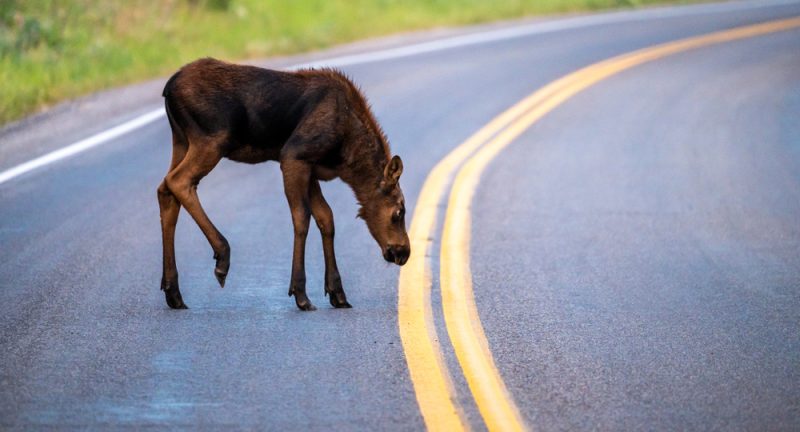
Wildlife collisions follow patterns tied to habitat, season, and time of day. On I-81, those low-light peak movement windows line up with commuter traffic and long-haul trucking, creating a perfect overlap of speed, limited visibility, and surprise crossings.
Not every interstate has the same wildlife profile. Interstate 81 runs through regions with high deer density and patchy development, meaning animals can move from one habitat area to another without encountering many barriers — until they reach the highway. The road also parallels rivers and ridgelines that act like natural wildlife “travel lanes.” When those lanes intersect an interstate, crossings become routine.
Traffic conditions on I-81 amplify the danger. Many stretches carry fast passenger-vehicle flow mixed with heavy trucks. In rural segments without strong lighting, headlights may only reveal a deer at the last possible second. And in valley fog or winter precipitation, visibility can drop even further right where deer are moving.
This shows how, while animal collisions can happen anywhere, I-81’s combination of habitat, terrain, and traffic mix pushes the odds up mile after mile.
Where and When Deer Accidents on I-81 Happen Most Frequently
Wildlife crashes cluster in specific settings. Even if you don’t know every mile marker, you can learn the high-risk recipe. Along I-81, the pattern usually involves wooded edges close to the shoulder, nearby streams or farm fields, and long stretches without urban lighting.
The timing also follows predictable trends:
- Dawn and dusk hours.
- Fall mating season.
- Early winter evenings.
- Spring green-up.
- Fog-prone valleys.
- Rural freight corridors.
If you drive I-81 regularly, these patterns explain why wildlife collisions feel “random” — they’re not random, they’re seasonal and situational.
What Happens in an I-81 Wildlife Crash
The damage from hitting wildlife ranges from cosmetic to catastrophic, depending on the animal and the speed. A small animal strike might crack a grille or bumper. A deer or elk impact at 65 mph can crush the hood, shatter the windshield, and push airbags instantly. In the worst cases, the animal comes through the glass into the passenger space.
Injury risk is also shaped by driver reaction. Many people swerve sharply to avoid the animal. Swerving at highway speed often leads to rollovers, head-on crossings into other lanes, or collisions with trees and guardrails. The Insurance Institute for Highway Safety (IIHS) fatality data shows that animal collisions often become deadly when vehicles leave the roadway afterward, especially at night.
For motorcyclists, the stakes are even higher. A deer impact can throw a rider instantly, and even a near miss can cause a rider to lose control. That’s why riders on I-81 tend to treat wooded night runs with extra caution.
Why These Crashes Turn into Multi-Vehicle Incidents
One hard truth about wildlife crashes is that they rarely stay single-vehicle events. Traffic often moves in packs behind trucks or through valley corridors. When the lead car brakes hard for an animal, vehicles behind may not have enough room to stop safely. That means a deer collision can quickly grow into a chain-reaction crash involving several vehicles that never touched the animal.
Visibility compounds this effect. In low visibility scenarios, such as heavy rain or fog, the second or third driver may not even see the animal — they only see brake lights too late.
How Drivers Can Reduce Risk Without Overcorrecting
You can’t eliminate every wildlife encounter, but you can stack the odds in your favor. The key is to drive in a way that gives you time to react smoothly instead of in panic.
- Slow slightly in known wildlife zones at dawn and dusk.
- Use high beams when the road is clear.
- Scan the shoulder, not just the lane.
- Don’t outrun your headlights.
- If you see one deer, expect more.
- Brake firmly and stay in your lane when possible.
That last point is the hardest instinct to retrain, but it’s also the one that prevents the worst outcomes.
What to Do Right After an Animal Collision on I-81
If you hit a deer or other large animal on I-81, prioritize safety first. Pull over when it’s safe, turn on hazards, and check for injuries. Then call 911 — even if the animal runs off.
Document what you can. Photos of vehicle damage, the road area, and any visible animal remains help with insurance and any later questions about what happened. If the crash involved a swerve or secondary collision, those scene details matter even more.
Insurance typically treats wildlife strikes under comprehensive coverage, not collision, unless you hit another vehicle after swerving. Having clear documentation helps avoid disputes about which part of the incident caused the main damage.
After an Animal Crash on I-81, Call an Attorney
Wildlife risk on I-81 is a reality of the landscape, not a rare exception. The good news is that the patterns are learnable. Deer move most at dawn and dusk, crossings jump in the fall, and wooded rural segments carry the highest strike rates. When you drive with those realities in mind — a little slower in low-light zones, a little more shoulder scanning, a little more reaction room — you lower your odds dramatically.
If you or someone you know has been injured in one of these incidents, we can put you in touch with an I-81 car accident attorney who can explain your rights and help you fight for justice and compensation.
Accidents currently listed on i81accidents.com
28 accidents in 2022
107 accidents in 2022
2 accidents in 2022