

,
Accidents near Major I-81 Cities: Roanoke, Harrisburg, Syracuse
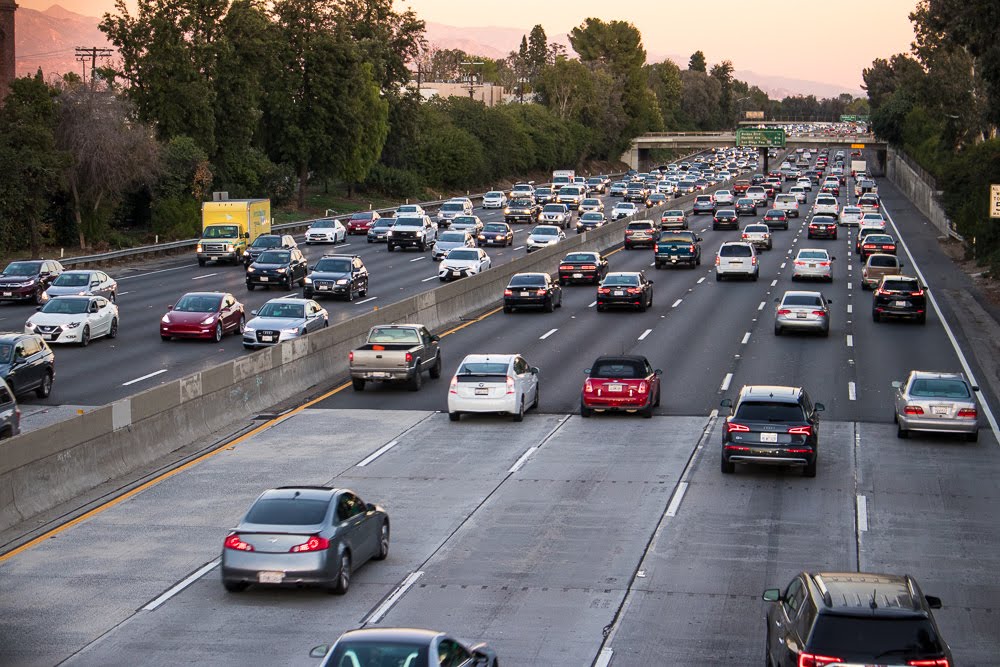

Interstate 81 (I-81) is a major north–south highway running through the Appalachian region and extending into the Northeast, serving daily commuters, freight carriers, and long-distance travelers. Unlike many coastal interstates, this route passes directly through or alongside several mid-sized cities where local traffic, regional trucking, and complex road networks intersect. This combination creates congestion, frequent merging, and abrupt speed changes that increase crash risk. As a result, certain segments become persistent accident hot spots. Understanding patterns behind I-81 city crashes, including Roanoke accidents and Harrisburg traffic accidents, helps explain why collision rates are higher and what risks drivers should anticipate.
Why Major Cities Along I-81 Become Accident Hot Spots
Cities along I-81 tend to develop crash hot spots because the interstate often functions as both a long-haul freight route and a local commuter highway. Near urban centers, traffic volume increases sharply as local drivers merge with regional and interstate travelers. This mix of driving behaviors creates frequent speed changes, lane shifts, and congestion.
The Federal Highway Administration (FHWA) has identified urban interstate segments with high freight volumes and frequent access points as areas with elevated crash risk due to traffic complexity and conflict points. Along I-81, these factors are amplified because many cities were developed before modern interstate standards, resulting in shorter ramps, tighter curves, and limited shoulder space.
Roanoke I-81 Accidents and Regional Traffic Challenges
Roanoke is a well-documented high-risk area for I-81 crashes due to its role as a regional hub in southwestern Virginia. The interstate runs directly through the Roanoke Valley, where commuter traffic, freight transport, and tourist travel intersect. During peak hours, traffic volumes increase significantly, leading to congestion and frequent stop-and-go conditions.
Roanoke accidents are commonly linked to rear-end collisions, sideswipes, and multi-vehicle crashes caused by sudden braking and lane changes. The area’s mountainous terrain adds another layer of risk, as grades and curves reduce sight distance and affect truck braking performance. Weather can also play a role, with fog and rain reducing visibility. These combined factors make Roanoke one of the most consistent city crash zones in the region.
Harrisburg Traffic Accidents and Interchange Density
Harrisburg sits at one of the most complex highway junctions in Pennsylvania, where I-81 intersects with multiple major routes serving central and eastern parts of the state. This interchange density significantly increases crash risk. Drivers entering and exiting the interstate must navigate heavy merging traffic, lane splits, and sudden speed changes, often within short distances.
Harrisburg traffic accidents frequently occur near interchanges and freight corridors, where commercial trucks make up a substantial portion of traffic. Distribution centers and logistics hubs surrounding the city generate constant truck movement, increasing interaction between large commercial vehicles and passenger cars. Congestion during commuting hours and holiday travel periods further compounds the issue, making this area a persistent hot spot for I-81 city crashes.
Syracuse I-81 Crashes and Urban Infrastructure Limitations

Syracuse represents a different but equally significant risk profile along I-81. The interstate passes directly through the city, with aging infrastructure that was not designed for today’s traffic volumes. Narrow lanes, limited shoulders, and closely spaced on- and off-ramps increase the likelihood of collisions, especially during peak travel times.
Winter weather plays a major role in Syracuse crashes. Snow, ice, and reduced visibility are common, and even well-maintained roadways can become hazardous quickly. When combined with congestion and limited maneuvering space, these conditions lead to higher rates of loss-of-control and multi-vehicle accidents. Syracuse consistently ranks among the most challenging urban stretches of I-81 for both local and through-traffic.
Common Accident Trends Shared Across I-81 City Corridors
While each city along I-81 has its own layout and traffic flow, several crash trends appear repeatedly in urban sections of the highway. These patterns help explain why certain areas consistently experience higher accident rates:
- Heavy volumes of tractor-trailers frequently interact with commuter traffic, increasing possible conflict points.
- Short merge ramps and limited acceleration lanes leave little room for safe merging.
- Frequent congestion often causes sudden braking and chain-reaction crashes.
- Many sections also feature outdated roadway geometry not designed for current traffic levels.
Combined with speed differentials between vehicles, these factors create predictable high-risk environments, especially during peak travel periods.
The Role of Driver Behavior in Urban I-81 Crashes
Driver behavior significantly influences crash rates near major I-81 cities. In congested urban areas, impatience, distraction, and aggressive driving behaviors often increase. Drivers may follow too closely, make abrupt lane changes, or attempt to navigate congestion by weaving through traffic, all of which raise collision risk.
Commercial vehicle interactions further complicate matters. Passenger vehicle drivers may underestimate truck stopping distances or linger in blind spots, while truck drivers must contend with frequent merging and sudden slowdowns. In these environments, even minor errors can quickly escalate into multi-vehicle crashes. Awareness of heightened risk in I-81 city corridors is critical for adjusting driving habits appropriately.
Safety Considerations for Navigating I-81 Through Major Cities
Drivers traveling through Roanoke, Harrisburg, Syracuse, or other major Interstate 81 cities can reduce risk by using defensive driving strategies suited to urban interstate conditions. Anticipation and patience are essential when navigating congestion, frequent merging, and complex urban interchanges:
- Increasing following distance and avoiding sudden lane changes in busy urban segments allows more time to react to traffic changes.
- Planning trips outside peak travel hours when possible, staying alert near ramps, and minimizing distractions can further improve safety.
Recognizing these areas as established accident hot spots encourages drivers to remain exceptionally cautious and alert, even during familiar or routine trips.
When Urban I-81 Crashes Raise Legal Questions
Crashes near major cities along I-81 often involve complex circumstances, including multiple vehicles, commercial trucking, or infrastructure-related issues. These factors can complicate insurance claims and post-crash investigations, particularly when congestion or roadway design plays a role.
If you are involved in an accident in one of these high-risk urban corridors, understanding your legal options may be important after immediate concerns are addressed. By the end of the process, we can put you in touch with an experienced I-81 car accident attorney who can help explain how location-specific risks may affect your situation and what steps may be available moving forward.
Accidents currently listed on i81accidents.com
28 accidents in 2022
107 accidents in 2022
2 accidents in 2022