

,
Truck Accidents on I-81: Liability And What Victims Should Know
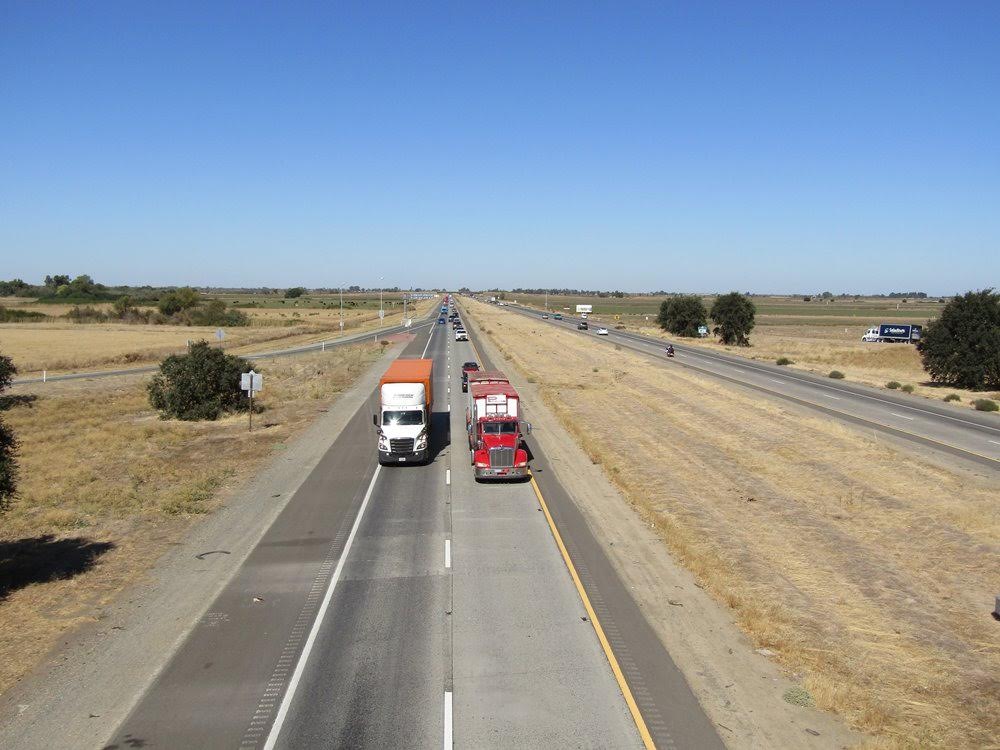

Interstate 81 (I-81) stretches from Tennessee to New York, carrying a continuous flow of commercial trucks through the Appalachian region. Its rolling grades, frequent construction zones, and tight interchange spacing create one of the most challenging freight corridors on the East Coast. For drivers sharing the road with large commercial vehicles, the risks can be significant — and when collisions occur, the consequences are often severe.
Victims of I-81 truck accidents frequently face questions about how these crashes happen, what steps they should take afterward, and how truck crash law determines liability. Understanding these issues can help injured motorists protect themselves, preserve important evidence, and pursue the compensation they deserve.
Why Semi-Truck Accidents Are Common on I-81
Truck crashes on I-81 occur for many reasons, and the unique geography of the corridor plays a major role. Long downhill grades, especially in Virginia and Pennsylvania, require careful speed control and proper brake maintenance. Sharp curves and heavy traffic near Roanoke, Harrisburg, and Syracuse create frequent merging conflicts. Construction is also a recurring factor; I-81’s aging infrastructure has required repeated lane shifts, crossovers, and narrowed shoulders.
Human factors play an equally large part. Fatigue, especially among overnight truckers, increases reaction times and reduces awareness on stretches where traffic slows abruptly. Weather conditions — including fog, snow squalls, and heavy rain — reduce visibility and lengthen stopping distances. According to the Federal Motor Carrier Safety Administration (FMCSA), large-truck crashes continue to cause thousands of injuries and fatalities each year, reflecting the growing volume of freight movement across U.S. highways. These risks are magnified in a corridor as busy as I-81.
Common Causes of Semi-Truck Accidents on I-81
Crashes rarely involve a single cause. Instead, they develop from multiple interacting hazards. Among the most common contributors are:
- Driver fatigue, often linked to long-haul schedules.
- Speeding or improper braking, especially on downhill grades.
- Blind-spot conflicts, where smaller vehicles disappear beside large trailers.
- Mechanical failures, including worn brakes or tire blowouts.
- Jackknifing risk, triggered by abrupt braking during heavy traffic.
- Cargo shifting or improper load securement can destabilize the trailer.
These hazards are intensified by I-81’s mix of rural curves, steep terrain, and congested metropolitan stretches. When even one factor goes wrong, the result can be a severe chain-reaction event.
Victims’ Rights Under Truck Crash Law
Victims of semi-truck collisions have important protections under both state law and federal trucking regulations. Unlike standard car crashes, truck accidents involve additional layers of responsibility governed by the Federal Motor Carrier Safety Administration (FMCSA).
When a truck driver or company violates these regulations, those violations can strengthen a victim’s claim. Truck crash law allows injured motorists to pursue compensation for medical expenses, lost income, pain and suffering, property damage, diminished earning capacity, and — in extreme negligence cases — punitive damages.
Victims also have the right to legal representation, the right to obtain evidence from the trucking company, and the right to challenge any attempt by insurers to unfairly shift blame.
How Fault Is Determined After a Truck Crash
Fault determination in a truck accident is a detailed process. Multiple parties may be responsible, including the driver, the trucking company, a maintenance contractor, a cargo loader, or even a manufacturer if equipment failure contributed.
Investigators look at several categories of evidence, including Electronic Logging Device (ELD) data showing the driver’s hours of service. This information helps determine whether fatigue or violations played a role in the crash.
Physical inspections of brake systems, tires, and trailers help determine if mechanical failure contributed. Crash reconstruction specialists analyze skid marks, vehicle positions, and momentum.
In some cases, a passenger vehicle driver may share partial fault if they cut off a truck, stopped suddenly, or merged unsafely. On a corridor as busy as I-81, liability often reflects a combination of errors, making fast evidence preservation essential.
What Victims Should Do Immediately After an I-81 Truck Accident
The steps taken after a truck crash can shape the entire claims process. Because trucks carry enormous momentum and often cause extensive damage, victims should focus first on safety and medical needs. Here are the essential steps:
- Seek medical attention immediately, even if injuries seem minor.
- Call 911 and ensure the crash is officially reported, providing accurate information about injuries and vehicle positions.
- Photograph the scene thoroughly.
- Collect witness statements and contact information.
- Exchange information with the truck driver, noting their company, DOT number, and insurance details.
- Avoid giving recorded statements to insurers before speaking with an attorney.
Insurance, Medical, and Legal Steps Every Victim Should Take
Once immediate medical needs are addressed, victims should begin the insurance and legal processes as soon as possible. Save receipts, tow records, repair estimates, and any photos or videos taken at the scene.
Speak with a lawyer experienced in semi-truck victim rights before negotiating with trucking insurers. Commercial carriers often deploy rapid-response teams that begin investigating within hours. An attorney can help ensure evidence is preserved.
Legal guidance is especially important when injuries are serious or when multiple vehicles are involved. A knowledgeable lawyer can help identify liable parties, calculate damages, and negotiate or litigate for fair compensation.
Preventing Truck Crashes on I-81: What Drivers Should Know
Although motorists cannot control truck driver behavior or company maintenance practices, they can reduce risk by driving defensively around large commercial vehicles. Staying out of blind spots, avoiding abrupt lane changes, and allowing trucks space on downhill grades are all practical steps.
In construction zones, slowing down, signaling early, and maintaining predictable movement help reduce sudden conflicts. During the winter months, fog and snow can quickly obscure visibility. Giving trucks extra distance can prevent a dangerous chain-reaction event.
What to Do If You’ve Been Injured in an I-81 Truck Accident
Semi-truck collisions leave victims with overwhelming questions about medical bills, missed work, and dealing with insurance adjusters. Understanding your rights and preserving evidence early can make a major difference in the outcome of your claim.
If you or someone you know has been injured in a truck crash on I-81, we can connect you with an I-81 truck accident attorney who can explain your rights, guide you through the legal process, and help you move forward with confidence.
Accidents currently listed on i81accidents.com
28 accidents in 2022
107 accidents in 2022
2 accidents in 2022