

,
Preparing Your Vehicle for Safe Travel on I-81: Checklist & Maintenance Tips
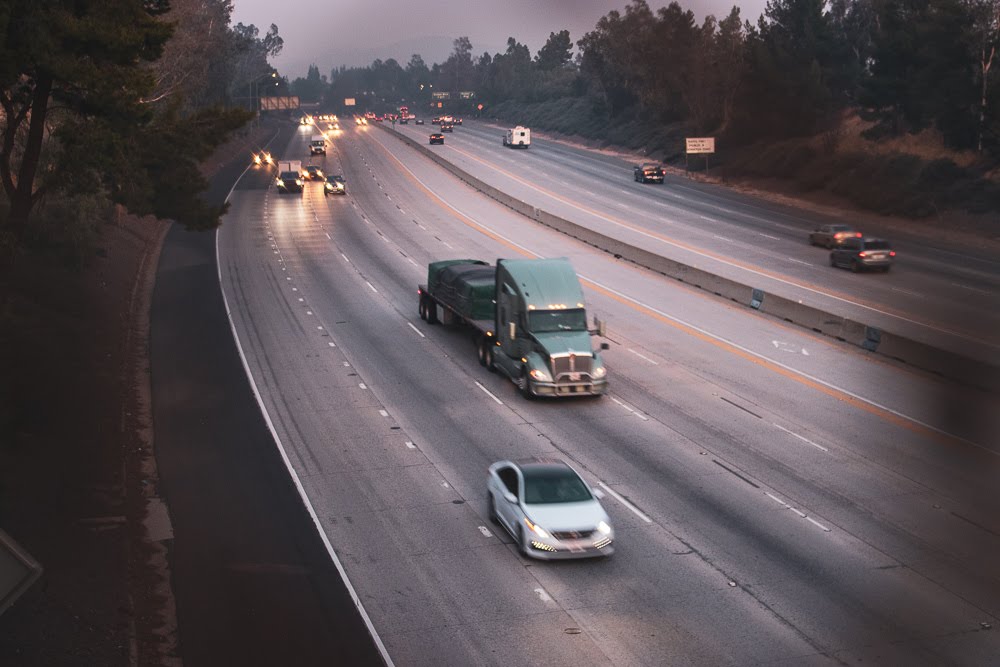

Interstate 81 (I-81) is a scenic but demanding corridor. It climbs and dips through Appalachian terrain, runs alongside river valleys, and funnels heavy freight traffic through tight interchanges. For drivers planning a long trip, that combination means your vehicle has to be ready for more than just highway speed. Travel preparation is really about reducing preventable failures. Doing a smart pre-trip check also supports car maintenance accident prevention, because mechanical issues don’t just cause breakdowns; they can cause crashes when you least expect them.
Below is a practical, road-trip-ready guide for getting your car prepared for I-81. It focuses on “owner-doable” checks plus a few items best handled by a shop, especially if you’re traveling through challenging terrain or uncertain weather.
Why Pre-Trip Maintenance Matters More on I-81
Interstate 81 isn’t a flat, predictable commute. Its hills, curves, and changeable weather add stress to vehicles. Long climbs raise engine temperatures. Extended downhill runs demand more from brakes. Mountain valleys can generate sudden fog banks, while heavy truck traffic creates spray and debris zones in rain. All of that increases the consequences of small mechanical problems.
One example: tires. They are your car’s only contact with the road, and on wet grades or in heavy truck wake, traction becomes everything. The National Highway Traffic Safety Administration (NHTSA) reports that 646 people died in tire-related crashes in 2023, highlighting how failures like blowouts and tread separation can turn deadly at speed.
That statistic isn’t meant to scare you—it’s a reminder that basic maintenance is a real safety tool, not just a “nice to do” before a trip.
The Core I-81 Travel Preparation Checklist
Think of this as your vehicle safety checklist road trip routine for I-81:
- Tires and spare: Check pressure cold, inspect tread depth, and look for sidewall cracks, bulges, or embedded objects.
- Brakes: Listen for grinding or squealing.
- Fluids: Confirm oil level/age, coolant level, brake fluid, transmission fluid, and windshield-washer fluid.
- Lights and signals: Test headlights, brake lights, turn signals, and hazards.
- Wipers and windshield: Replace streaking or chattering wipers and top off washer fluid.
- Battery and charging system: If your battery is older than 3–4 years or you’ve noticed slow starts, have it tested.
- Belts, hoses, and cooling fans: Look for cracks, fraying, or swelling.
- Suspension and steering feel: If the car bounces or clunks over bumps, get it checked.
- Paperwork and tech: Registration, insurance card, emergency contact list, and a charged phone.
Doing these checks a day or two ahead gives you time to fix problems without rushing.
Safety Gear Worth Packing for I-81 Terrain and Weather
Even a well-maintained car can run into trouble. The key is having basics on hand so a small issue doesn’t turn into a dangerous roadside situation. This Interstate has long rural stretches where help may take longer to arrive, so build a simple kit.
A reflective triangle or flare set is one of the most useful items you can carry, especially if you end up stopped on a shoulder in fog, rain, or nighttime truck traffic.
Beyond that single must-have, consider a flashlight, first-aid kit, blanket, bottled water, basic tools, jumper cables, and a small tire inflator or sealant. If you drive an EV, add your charging adapter and verify station locations along your route.
What to Check Right Before You Roll Out
Even after you do your main maintenance pass, take two minutes before leaving your driveway. Quick checks prevent “simple” mistakes from following you 300 miles.
Walk around the car once. Look for low tires, fresh leaks, or anything hanging under the vehicle. Confirm headlights and brake lights. Adjust mirrors. Set your seat and steering position so you’re not fidgeting mid-drive. If you’re carrying cargo, make sure it’s secured and doesn’t block rear visibility.
For long trips through changing elevations, don’t start with a near-empty tank. Some I-81 segments have wider gaps between exits and services, and traffic backups near interchanges can burn fuel fast.
Weather-Specific Preparation for I-81
Because much of I-81 sits in mountain-influenced microclimates, you can leave sunshine and hit heavy rain or fog within an hour. A little weather preparation goes a long way:
- In the rain, prioritize tire tread depth and wiper quality. Hydroplaning risk climbs on downhill grades, especially where trucks polish the pavement. Keep washer fluid topped off to clear spray film.
- In fog, make sure all lights are working, including tail lights. Clean your headlight lenses if they’re cloudy. Fog eats contrast, so brighter, clearer beams help you see lane edges sooner.
- In thunderstorms, check your battery and charging system beforehand. Sudden stops in low-visibility traffic mean hazards and lights need to stay strong, and power loss in heavy rain is a real safety risk.
How this Checklist Supports Car Maintenance Accident Prevention
Mechanical failures are often subtle around town but become dangerous on I-81, where high speeds, long grades, and sudden traffic changes amplify them. Marginal tires can blow out on hot climbs. Aging coolant hoses may fail under sustained load. Worn brakes that are fine on flat streets can fade rapidly on a six-mile descent.
Adopting a consistent vehicle safety checklist and road trip routine is crucial. It’s not just about avoiding breakdowns; it’s about reducing crash risk. A well-maintained vehicle remains predictable and reliable, even when the highway conditions and traffic become unpredictable and challenging. This preventative maintenance is vital for a safe journey on I-81.
If a Crash Still Happens
Preparation lowers risk, but it can’t eliminate every hazard on a freight-heavy interstate.
If you’re involved in an accident on I-81, follow these steps: document the scene safely with photos and notes, seek medical care promptly even for seemingly minor injuries, and diligently keep records of all vehicle repairs and any developing symptoms. Taking these actions protects both your physical well-being and your ability to accurately explain the situation to others later on.
Should you need assistance understanding your legal options after a serious collision on this busy corridor, we can put you in touch with an I-81 car accident lawyer who can review the specific details of your situation and guide you through the necessary next steps.
Accidents currently listed on i81accidents.com
28 accidents in 2022
107 accidents in 2022
2 accidents in 2022