

,
How Weather Beyond Winter Impacts Safety on I-81
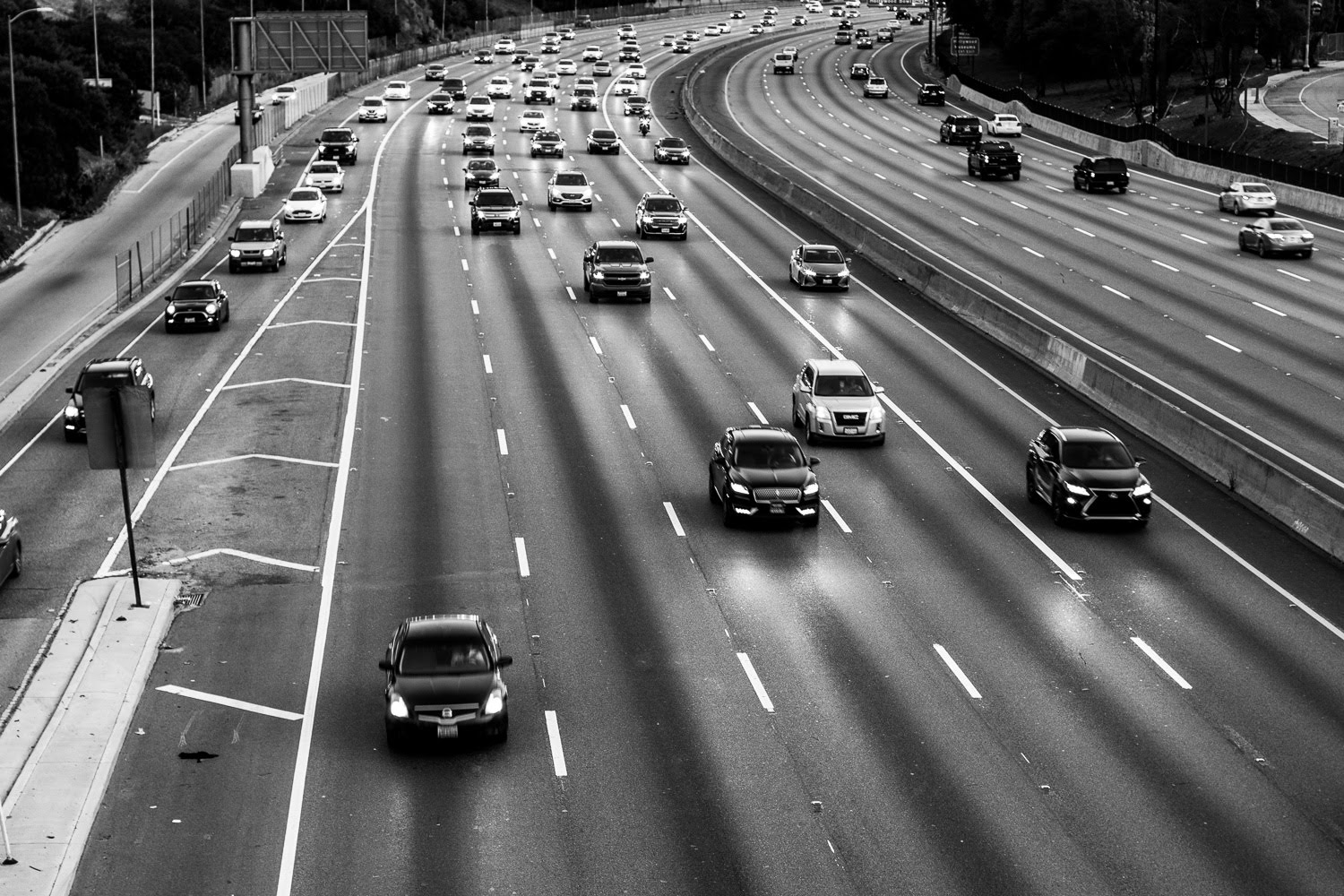

Interstate 81 (I-81) runs from Tennessee to the Canadian border in New York, cutting through mountain passes, rural valleys, and busy freight corridors. Drivers often focus on snow and ice as the main hazards on this route, but rain accidents, dense fog, and severe thunderstorms create serious risks long before and long after winter. Wet pavement, low visibility, and powerful crosswinds all change how vehicles handle and how quickly drivers can react.
This guide looks at how non-winter weather contributes to crashes on I-81, how prepared roads and drivers really are, and what you can do to reduce storms I-81 driving risk every time you head out.
Why Rain, Fog, and Storms Are so Dangerous on I-81
Unlike flat interstates, I-81 winds through hilly and mountainous terrain in places like Virginia and Pennsylvania. That means curves, grades, and limited sight distance—features that become much more hazardous when rain or fog rolls in. Standing water can develop in low spots, while runoff across lanes can surprise drivers just as they crest a hill or exit a curve.
National roadway data show that weather is a major factor in highway crashes. According to the Federal Highway Administration (FHWA), about 12% of all U.S. crashes are weather-related, involving conditions like rain, fog, and wet pavement.
That is not just a winter issue; in many states, rain and thunderstorms cause far more crashes than snow or ice. On an interstate like I-81, where trucks and passenger vehicles share limited space at high speeds, these conditions magnify risk quickly.
How Rain Leads to I-81 Accidents
Rain changes the road long before you see puddles. Oil and debris rise to the surface during the first minutes of a shower, making pavement especially slick. Hydroplaning becomes more likely as water builds, particularly where drainage is poor, tires are worn, or speeds are high.
On I-81, that means rain accidents are most likely when traffic maintains highway speed despite dark clouds, standing water, or heavy spray from trucks. Braking distances increase, lane markings are harder to see, and drivers may not realize how little grip they have until it’s too late.
When rain combines with curves, exit ramps, and downhill grades, spin-outs, rear-end crashes, and jackknifed trucks become more likely.
Fog Crashes on I-81 and Visibility Challenges
Fog is another major threat along I-81, especially in low-lying valleys and near rivers. Fog crashes often happen because drivers misjudge how little they can see—and how quickly traffic ahead is slowing or stopped.
Multi-vehicle pileups in fog often involve a chain of secondary crashes: one or two vehicles collide, others arrive at high speed with limited visibility, and the crash site grows. Unlike snow and ice, fog can appear suddenly and patchily, catching drivers off-guard as they move from clear to opaque conditions in just a few hundred feet.
Road agencies use tools such as message signs, speed advisories, and lighting improvements to manage fog, but they can’t compensate for every driver’s choices. Safe speeds in fog can be far below the posted limit; following distances need to grow, and high-beam headlights can actually make things worse by reflecting off the fog and reducing visibility even more.
Thunderstorms, Wind, and Storms Driving Risk
Summer and shoulder-season thunderstorms bring another set of hazards to I-81. Heavy downpours can create near-whiteout conditions, while lightning, gusty winds, and hail distract or startle drivers. Crosswinds can push high-profile vehicles toward adjacent lanes or shoulders, increasing the risk of sideswipes and rollovers.
Storm cells can also dump water faster than drainage systems can handle, leading to localized flooding on ramps or low-lying sections. Hydroplaning, stalled vehicles, and debris in the roadway are all hazards that increase driving risks on I-81.
Even after a storm passes, lingering water, fallen branches, or gravel washed onto the road continue to pose threats. Drivers who resume full highway speed the moment rain lets up may still be traveling too fast for conditions.
How Well-Prepared are Roads and Agencies for Non-Winter Weather
Transportation agencies invest in drainage systems, pavement design, and roadside sensors to manage weather risks. Along I-81, that preparation can include advanced monitoring systems:
- Pavement treatments and grooves that improve water runoff and tire grip.
- Monitoring systems that detect low visibility or slick conditions and trigger variable message signs.
- Targeted enforcement in stretches with high crash rates during rain or fog.
But even the best-engineered road has limits. Culverts can clog, sensors can’t reach every mile, and electronic message signs still rely on drivers paying attention and taking warnings seriously. Agencies can only reduce risk, but they can’t eliminate it.
How Well-Prepared are Drivers for I-81 Rain, Fog, and Storms
The other half of the safety equation is human behavior. Many drivers treat non-winter weather as a nuisance rather than a real threat. They may leave late and feel pressure to “make up time,” rely too heavily on cruise control, or follow closely behind trucks to pass more quickly.
To understand rain accidents and fog crashes on I-81, you have to look at patterns in driver behavior:
- Drivers often fail to reduce speed as visibility drops or pavement gets slick.
- Following distances stay the same as in dry, clear conditions.
- Distracted driving compounds the problem by stealing precious seconds of attention.
- Some drivers rely on the behavior of others: if traffic is still fast, they assume conditions are safe.
- Inexperienced or anxious drivers may over-correct, brake abruptly, or freeze when conditions suddenly worsen.
Education campaigns, insurance messaging, and law-enforcement efforts all emphasize slowing down and giving more space in bad weather.
Injured in a Crash on I-81? Call a Lawyer
In the event of a collision on Interstate 81, remember that poor weather—such as rain, fog, or storms—does not excuse unsafe driving. Motorists must drive at appropriate speeds and safe following distances, regardless of the weather conditions.
If you or your family need assistance understanding your rights and options following a serious weather-related crash on I-81, we can connect you with an experienced I-81 car accident attorney. A skilled legal team can review the details of the incident, explain your rights, and help you determine the best course of action.
Accidents currently listed on i81accidents.com
28 accidents in 2022
107 accidents in 2022
2 accidents in 2022