

,
Day vs Night Accidents on I-81: Visibility, Lighting, Fatigue
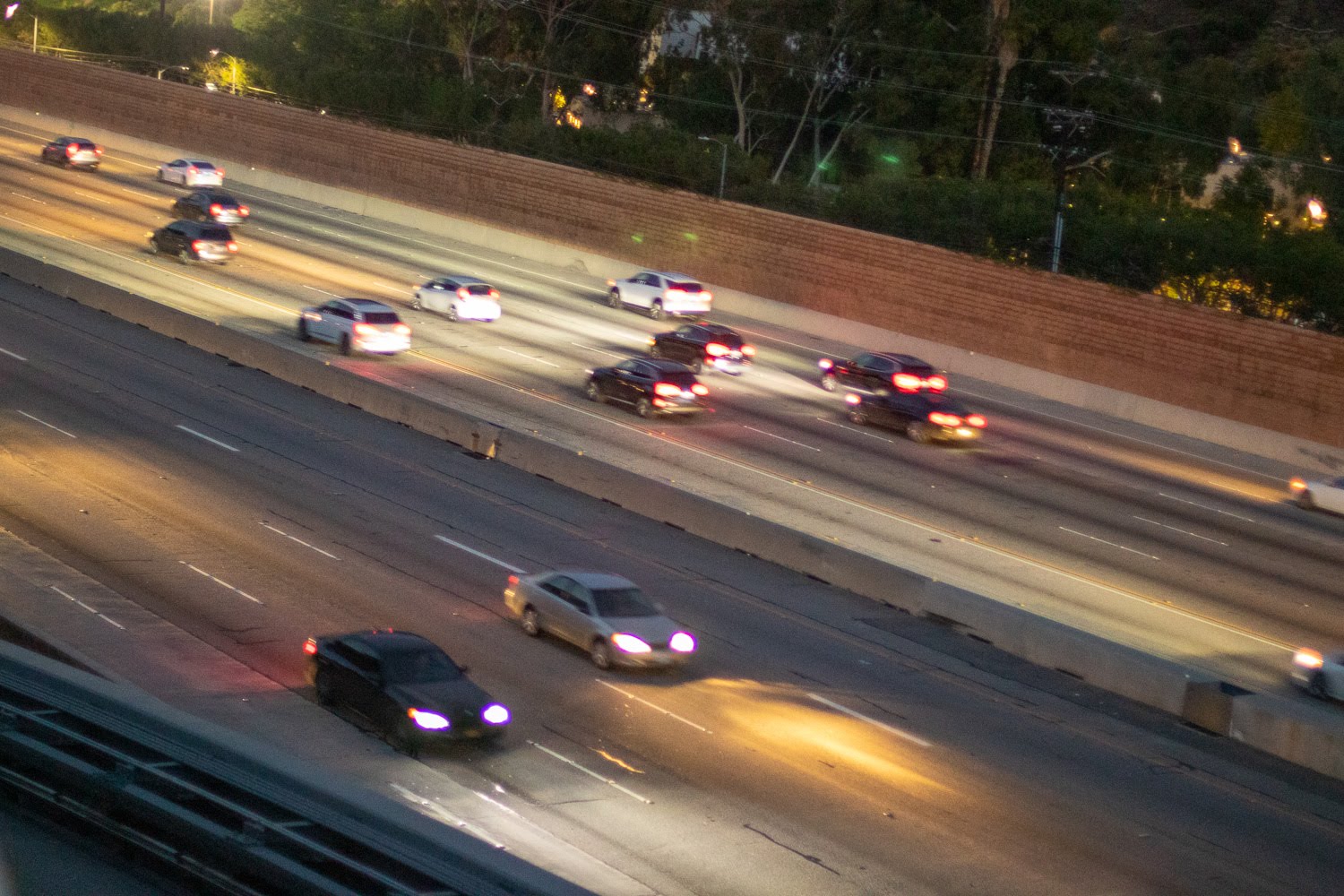

Interstate 81 (I-81) runs through long mountain valleys, wooded ridges, and busy freight towns from Tennessee to New York. In daylight, the route feels straightforward: clear sight lines, familiar landmarks, and steady traffic rhythms. After dark, the same roadway changes personality. Headlights compress your view, wildlife moves closer to the shoulder, and tired drivers try to finish trips they started hours earlier.
This “day versus night accident comparison” isn’t just a national pattern — it lines up with the realities of I-81’s terrain, traffic, and lighting gaps. Let’s break down what changes after sunset, why night crashes on I-81 tend to be more severe, and what drivers can do to lower their risk.
Daytime Crash Risk: Congestion and Speed Mix
In daylight, accidents are often shaped by volume and speed variation rather than pure visibility issues. The corridor is a major trucking route, so cars and semis share lanes constantly. That creates steady merging, braking waves, and lane-change friction.
Construction work is another daytime risk amplifier. With crews active and lane patterns shifting, drivers face narrower shoulders and short merge opportunities. Even small mistakes can trigger sideswipes or rear-ends in dense flow.
Day crashes on I-81 also tend to be “clustered” near interchanges and urban approaches. That’s where entrance ramps compress into faster lanes, speeds jump between 45 and 70 mph, and drivers have to make decisions quickly.
Nighttime Risk Factors on I-81 Are Different
After dark, the problems shift from traffic complexity to human limits and environmental surprises. The National Highway Traffic Safety Administration (NHTSA) research on drowsy driving shows that fatigue-related crashes happen most often between midnight and 6 a.m., when alertness naturally dips. On I-81, that window overlaps with overnight freight runs and long-distance travelers trying to “push through” to a destination.
Several night-specific factors stack together on this corridor:
- Visibility collapse.
- Lighting gaps.
- Fatigue and microsleeps.
- Wildlife movement.
- Speed perception errors.
When these pile up, night crashes don’t just become more likely — they become more violent because drivers react later and braking happens harder.
Lighting Infrastructure and Why Rural I-81 Feels Riskier at Night

A big reason night crashes on I-81 stand out is the corridor’s rural character. Federal rural safety data shows that rural roads account for a disproportionate share of fatalities because speeds are higher, lighting is sparser, and help can be farther away.
On I-81, you feel that in the spaces between towns. Pavement markings may be harder to read in rain or glare. Curves in mountain sections can hide slowed traffic until the last moment. Even when reflective signs are present, fog or drizzle can dull them. FHWA’s nighttime safety work highlights how better lighting and visibility treatments can reduce crashes, especially in rural settings.
The takeaway for drivers is simple: don’t assume the road “looks like daytime, just darker.” Expect fewer visual cues. Use them actively — lane lines, reflector posts, and sign spacing are your roadmap after sunset.
Fatigue Driving: Why Nights are Harder on The Body
Night driving doesn’t just reduce what you can see; it reduces what your brain can process. Your circadian rhythm naturally lowers alertness overnight, and long monotonous stretches of I-81 can make that worse. NHTSA warns that drowsiness can impair reaction time, attention, and decision-making in ways similar to alcohol.
On I-81, fatigue risk is amplified by trip style. Many drivers use the corridor for multi-state hauls or late-night returns from events. Others work shifts that end after dark, then drive home on rural segments. The danger is that fatigue often feels like “I’m fine, just tired,” right until a lane drift or delayed brake proves otherwise.
If you catch yourself missing road signs, blinking more, or needing music and windows just to stay alert, that’s a strong signal you’re in the danger zone.
How to Mitigate Day vs Night Accident Risk on I-81
You don’t need a perfect plan — you need habits that fit the time of day you’re driving. Here are practical moves that meaningfully cut risk:
- At night, slow a little earlier than feels necessary.
- Increase the following distance behind trucks.
- Use high beams when safe, low beams in fog or heavy rain.
- Take fatigue seriously.
- Watch the shoulders at dusk and dawn.
- In daytime congestion, stay predictable.
That single theme — predictability — protects you in both daylight and darkness. The causes shift, but the cure is the same: give yourself more time to react.
What to Do if a Crash Happens After Dark
Night crashes can feel more chaotic because visibility is limited and it’s harder to judge what’s happening around you. If you’re involved, focus on safety first. Move to a safe shoulder or ramp if the vehicle can roll, turn on hazards, and stay buckled until you’re clearly out of active lanes. Call 911 and share your location using a mile marker, nearest exit, or GPS pin.
If it’s safe, take photos of vehicle positions, lighting conditions, lane markings, and any visibility issues like fog, glare, or a dark curve. Nighttime evidence is fragile — a tow truck’s lights or a passing rain band can change the scene quickly.
Then get checked medically even if you feel okay. High-impact night wrecks often hide injuries at first, and early documentation supports recovery and any future claim.
Ideas for Making I-81 Trips Better and Safer
The difference between day and night on I-81 isn’t subtle. Daylight brings congestion and lane-change conflicts. Darkness brings reduced visibility, weaker lighting cues, wildlife movement, and fatigue that sneaks up on drivers. National data confirms what I-81 regulars already sense: nighttime travel carries a much higher fatal crash rate.
The good news is that these risks are manageable. Drive a little slower at night, expand your buffer, and treat fatigue like a real hazard instead of a personal challenge. In daytime, take congestion seriously and don’t let impatience push you into sharp moves.
If you or someone you know has been injured in an I-81 crash, we can put you in touch with an I-81 car accident lawyer who can explain your rights and help you navigate the next steps.
Accidents currently listed on i81accidents.com
28 accidents in 2022
107 accidents in 2022
2 accidents in 2022